Luxury Vinyl Tiles vs Laminate: Which Flooring Wins in Newark Homes?
Choosing between luxury vinyl tiles and laminate? Our honest room-by-room guide helps you pick the right floor for your home. Pro Flooring can help.

Two Great Floors, One Big Decision
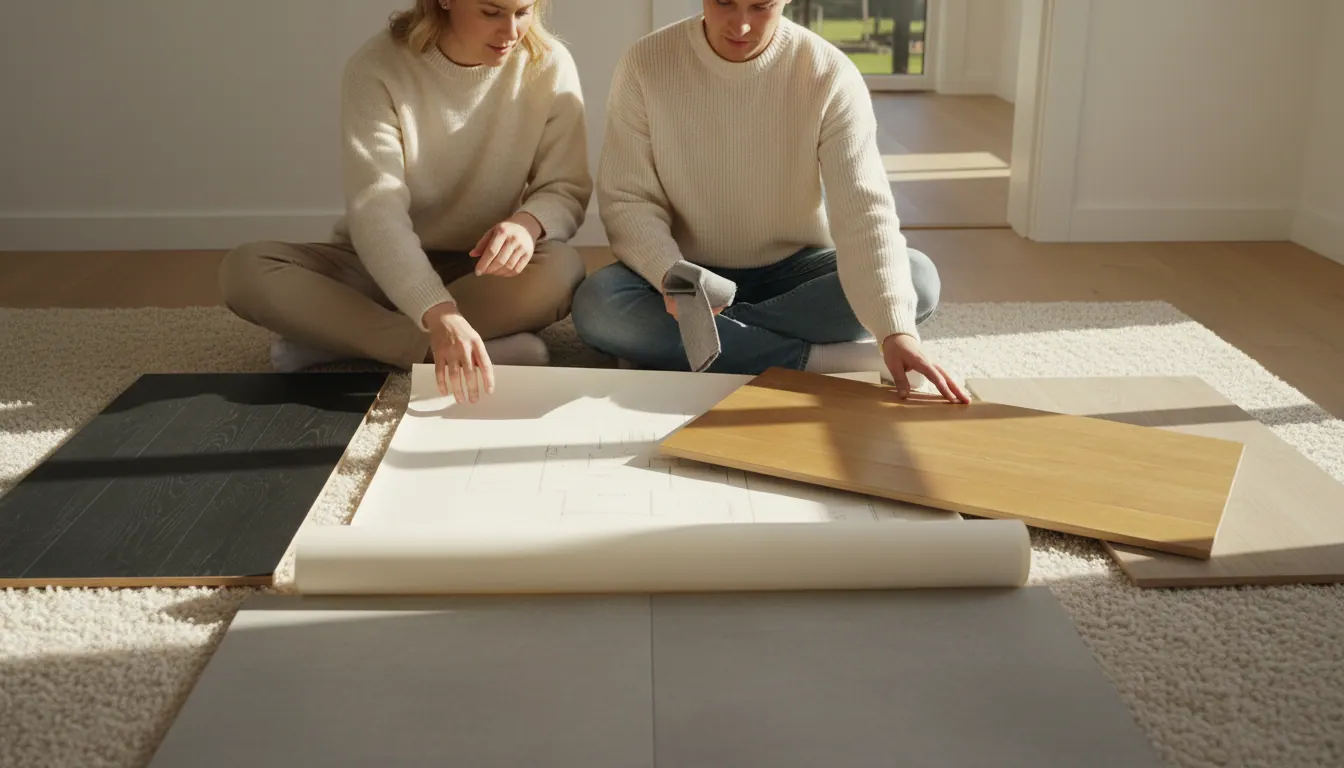
Picking new flooring is one of those decisions that feels simple until you're standing in a showroom with forty samples in your hands. Luxury vinyl tiles (LVT) and laminate are the two options most of our customers end up comparing, and for good reason. Both look fantastic, both are affordable, and both have come a very long way in the last decade.
But they are not the same product, and the right choice depends entirely on where you're laying it, how your household lives, and what your budget looks like. This guide cuts through the noise so you can walk into that conversation with us already knowing the right questions to ask.
What Actually Are These Two Products?
Laminate is a composite board. At its core is a high-density fibreboard (HDF) layer, topped with a photographic layer that mimics wood or stone, then sealed with a tough wear layer. It looks convincing, it's rigid, and it's been a staple of UK homes for decades. Herringbone laminate flooring has become especially popular recently, giving rooms a premium feel at a mid-range price.
LVT (luxury vinyl tile) is an entirely different material. It's made from layers of PVC, with a photographic film and a protective wear layer on top. It's flexible, waterproof throughout, and the better ranges (Karndean flooring being one of the most well-known) are extraordinarily realistic. Some LVT products click together like laminate; others are glued directly to the subfloor.
Both can mimic timber or stone beautifully. The difference lies in what happens when life gets in the way.
LVT vs Laminate: The Key Differences at a Glance
Here's a quick side-by-side before we dig into the detail:
- Water resistance: LVT is fully waterproof. Laminate is water-resistant at best. Prolonged moisture will cause laminate to swell and buckle.
- Feel underfoot: Laminate is harder and slightly hollow-sounding. LVT has a softer, warmer feel, especially with an attached underlay.
- Durability: Both are tough, but LVT handles scratches and dents slightly better in high-traffic areas.
- Cost: Laminate is generally cheaper to buy per square metre. LVT costs more upfront but often lasts longer.
- Installation: Both can be DIY-friendly, but a professional fit makes a significant difference to the finish, particularly with LVT in complex layouts.
- Repairability: Individual LVT tiles or planks can sometimes be replaced. Laminate planks are harder to swap out mid-floor.
Which Room? Matching the Floor to the Space
This is where the decision usually gets made.
Kitchens and Utility Rooms
LVT wins here, almost without question. Kitchens see spills, steam, and wet boots. Laminate can handle the odd splash, but a dishwasher leak or a wet mop used too enthusiastically will cause real damage over time. LVT is genuinely waterproof, so it simply doesn't care. For luxury vinyl tiles vs laminate in the kitchen, we almost always recommend LVT to our customers.
Bathrooms and WCs
Same answer. Laminate should not be used in bathrooms. Full stop. The humidity alone, even without direct water contact, will eventually lift the boards. LVT is the right material here, and it looks stunning in a bathroom when laid well.
Living Rooms and Hallways
This is where laminate becomes genuinely competitive. A dry living room with normal foot traffic is exactly where laminate performs brilliantly. It's often less expensive than LVT, it looks great, and a quality herringbone laminate flooring installation can genuinely elevate a room. LVT is still an excellent choice here, particularly if you have underfloor heating (more on that below) or pets and children, but you're not necessarily leaving performance on the table by choosing laminate.
Bedrooms
Either works well. Budget often drives the decision here. If you're doing the whole house and want consistency throughout, LVT gives you the freedom to run the same floor from the hallway straight through into a bathroom without switching materials.
LVT vs Laminate Cost: What Should You Expect to Pay?
LVT vs laminate price is one of the most-searched questions around this topic, so let's be straight about it.
Entry-level laminate starts lower per square metre than most LVT. However, the gap narrows considerably once you move into mid-range products. Premium LVT (such as Karndean flooring) does cost more than B&Q laminate flooring or Wickes laminate flooring equivalents, but the comparison isn't always fair. A Karndean floor in a well-fitted room will typically outlast a budget laminate floor by several years.
Factor in:
- Underlay costs (laminate almost always needs a separate underlay; some LVT has it pre-attached)
- Installation complexity (herringbone layouts, intricate tile patterns, and glue-down LVT all take more time)
- Longevity (a floor you replace every seven years costs more over a lifetime than one that lasts fifteen)
We always encourage customers to think about total cost of ownership, not just the price per box.
Underfloor Heating: A Deciding Factor for Many Homes
If you have underfloor heating or are planning to install it, this matters. LVT is generally more compatible with underfloor heating systems than laminate. It conducts heat efficiently and doesn't expand and contract in the same way laminate does under temperature changes. Always check the specific product's technical spec, and ask us if you're unsure. It's a conversation worth having before you commit.
What Our Customers Actually Experience
One thing we hear again and again is that people come to us uncertain, and leave confident. Natalie, one of our recent customers, put it well:
"Nathan gave us plenty of time to choose from a range of LVT samples, using his knowledge and experience to help us choose the right tile. He measured down to the T ensuring the was no waste and made sure every detail was finished to the highest standard. He even went out of his way to colour match the grout and silicone to the fireplace tiles. We're so happy with our beautiful new flooring. Amazing craftsmanship."
, Natalie King
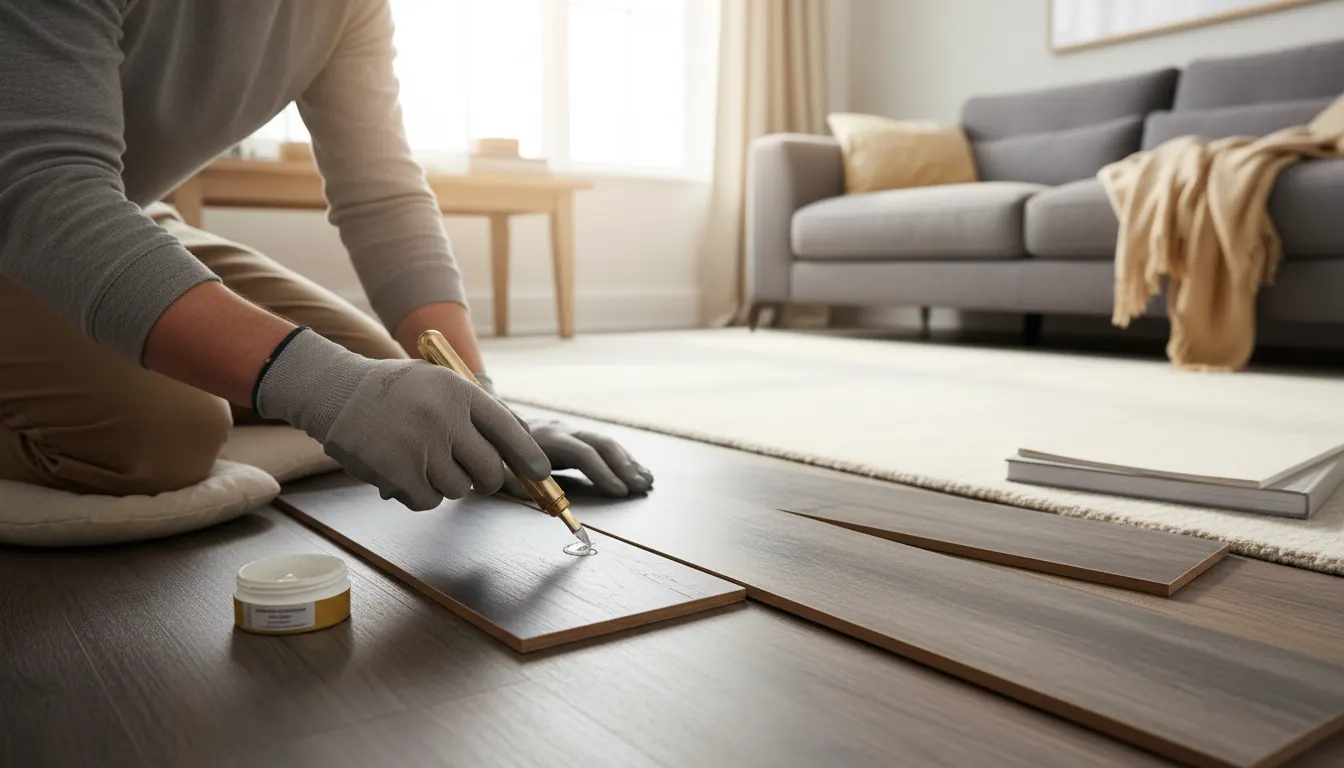
This is exactly how we approach every job. The material choice matters, but so does the finish. A perfectly installed floor, with grout and silicone colour-matched to your existing tiles, looks entirely different from the same floor rushed in. Details like that only come from someone who genuinely cares about the result.
What Are the Disadvantages of Luxury Vinyl Tile?
LVT is not perfect. It's worth being honest about the downsides.
- It can feel slightly synthetic underfoot compared to real wood, though the better products (Karndean flooring, for instance) have largely closed that gap.
- It's not as hard as ceramic tile, so very heavy furniture dragged across it can cause marks.
- Glue-down LVT is difficult to remove later, which matters if you're renting or planning a future renovation.
- The upfront cost is higher than budget laminate options.
None of these are dealbreakers for most homes, but they're worth knowing.
Does LVT Look Better Than Laminate?
Honestly, it depends on the product and the installation. At the budget end, laminate can look slightly flat and the surface texture is less convincing. At the mid-to-premium end, both materials are genuinely impressive. LVT from a brand like Karndean has texture, depth, and variation that's hard to distinguish from real stone or wood. Laminate has improved enormously too, particularly in embossed-in-register finishes where the texture follows the grain of the photographic layer.
The best-looking floor is the one that's right for the room and fitted properly. We've seen cheap floors look brilliant because of a skilled installation, and expensive floors look poor because they weren't laid with care.
Frequently Asked Questions
Is luxury vinyl tile better than laminate?
In wet or high-moisture rooms, yes, unequivocally. LVT is fully waterproof and will outlast laminate in kitchens and bathrooms. In dry rooms like living rooms and bedrooms, it's more of a judgement call based on budget, lifestyle, and personal preference. We'd always recommend discussing your specific rooms with us before deciding.
What is best, luxury vinyl or laminate, for a living room?
Both are genuinely good choices for a living room. Laminate can be slightly more cost-effective and still looks excellent, especially in herringbone layouts. LVT is worth the extra outlay if you have underfloor heating, pets, or children who are hard on floors. If you want the same floor to continue into a hallway that connects to a kitchen or bathroom, LVT gives you that continuity without a material change.
What are the disadvantages of luxury vinyl tile?
The main ones are cost (higher upfront than budget laminate), the slightly synthetic feel of lower-end products, difficulty of removal for glue-down types, and vulnerability to heavy dragged furniture. For most households, these are minor concerns set against the waterproofing and durability benefits.
Does LVT look better than laminate?
At the premium end, most people find LVT more convincing, particularly for stone or tile effects. For wood effects, high-quality laminate can be equally impressive. The finish of the installation makes as much difference as the material itself, which is why professional fitting matters.
Ready to Choose? We're Here to Help
The honest answer is that there's no single right choice between luxury vinyl tiles and laminate. The right floor depends on your rooms, your household, your budget, and what you want it to look like in ten years. What we can do is walk you through the options with real samples, give you straight advice, and fit whatever you choose to a standard that makes the difference visible.
If you're based locally and want to talk it through, get in touch with us and we'll take it from there.
“From the first meeting with Pro flooring we have been very happy with the service we recieved. We weren't sure what flooring we wanted but Nathan was brilliant and helped us by showing lots of samples and explaining the process to us. He turned up on time to do the job and we are very happy with his…”